
 Most loyalty programs don’t fail because customers opt out.
They fail because customers quietly stop participating.
The program still exists. Customers remain enrolled. But engagement drops as soon as loyalty starts to feel like something customers have to manage rather than something that works naturally in the background.
In today’s environment, effort is the fastest way to lose attention.
The Hidden Cost of Loyalty Friction
Every extra step introduces friction. Logging in to check balances. Remembering to redeem. Waiting weeks or months to unlock value.
None of these actions feel significant on their own. Together, they turn loyalty into a task.
When customers have to think about how to use a program, participation slows. Rewards become theoretical instead of motivating. Over time, loyalty shifts from actively influencing behavior to quietly existing in the background.
This is where brands lose momentum—often without realizing it.
Participation Is the Real Loyalty Metric
Enrollment numbers can be misleading. A large loyalty base does not guarantee engagement, and engagement is what actually drives revenue.
The strongest loyalty programs aren’t measured by how many people sign up. They’re measured by how often customers interact with them naturally.
When rewards fit into existing behavior, participation increases without constant reminders or promotions. When loyalty requires effort, even generous incentives struggle to perform.
Customers don’t want to work for loyalty. They want loyalty to work for them.
Why Modern Customers Choose Ease
Customer expectations have been reshaped by convenience everywhere else. Shopping, payments, content, and communication are all designed to remove friction. Loyalty programs are held to that same standard, whether brands intend it or not.
If loyalty feels slower or more complicated than the rest of the experience, customers disengage. The value may still be there, but the effort outweighs the perceived benefit.
Ease is no longer a differentiator. It’s the baseline.
How Shopr Removes the Friction From Loyalty
Shopr is built to eliminate the friction that causes participation to fade.
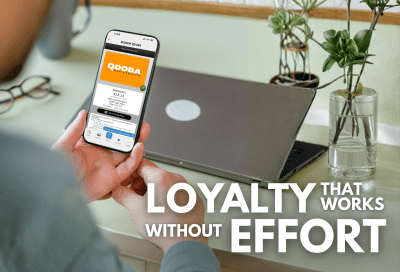
Instead of asking customers to track points or wait to redeem rewards, Shopr delivers value at the moment of engagement. Rewards are immediate, relevant, and tied to everyday spending.
Customers don’t need to remember to come back later or manage a separate balance. The value is visible and usable right away.
For brands, this means loyalty becomes part of the purchase experience—not a separate system customers need to think about. Participation increases because the program fits naturally into how customers already behave.
Loyalty Should Reduce Effort, Not Add to It
The future of loyalty belongs to brands that respect customers’ time and attention. When programs are easy to use, customers participate without being asked. When rewards feel effortless, loyalty becomes habitual.
Because the moment loyalty starts to feel like work is the moment customers stop showing up.
Build everyday loyalty that lasts: shoprapp.com/contact