 Most loyalty programs are optimized for one thing: acquisition. Sign-up incentives, welcome offers, and first-purchase rewards are carefully engineered to convert new customers quickly. And they often work.
The problem starts immediately after.
Once that first interaction is complete, most programs have very little left to say. The customer is now “a member” — but the experience designed to keep them rarely matches the one that brought them in.
The Drop-Off Is Predictable
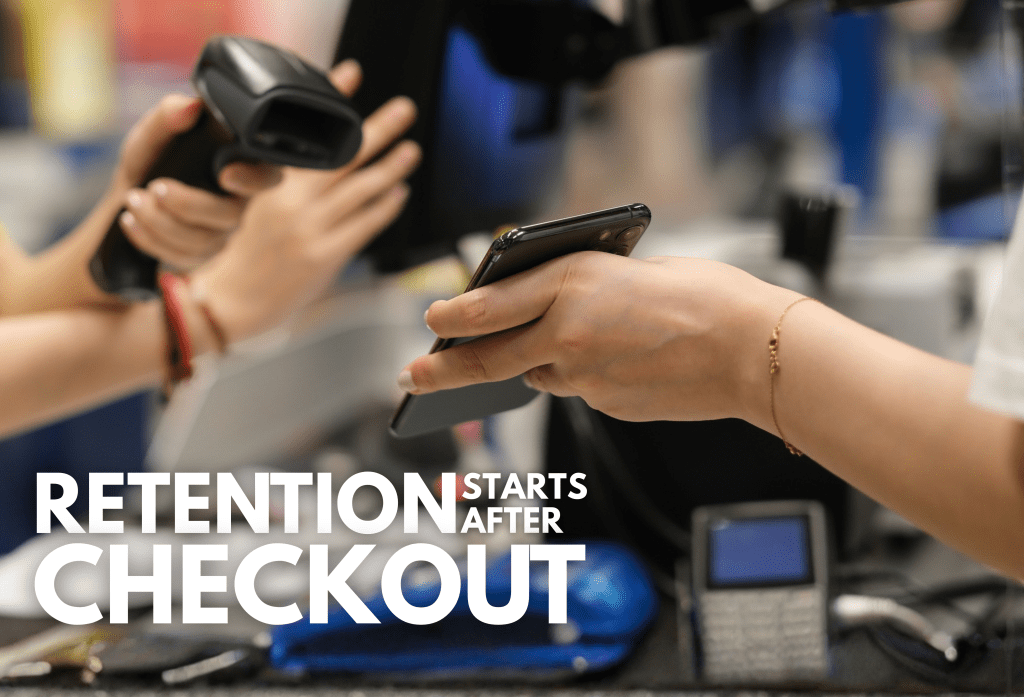
Post-purchase engagement is the most underdeveloped phase in the loyalty lifecycle. Brands spend heavily to acquire customers, deliver an initial reward, and then largely go quiet.
Customers notice. Interactions become less frequent. The program fades into the background — an app unvisited, an email unopened, a card unused.
Without consistent reasons to engage, the path to a second or third purchase gets longer. Retention weakens. Lifetime value stalls.
Acquisition gets the budget. Retention gets the aftermath. That’s the imbalance most brands haven’t fixed.
Why Traditional Loyalty Models Stall
Points systems, delayed redemptions, and complex reward structures all create friction. Customers understand the value in theory — but in practice, the effort required to earn and redeem often outweighs the benefit.
The result is low participation after the honeymoon period.
Beyond the UX problem, there’s a structural one. Most programs are tied exclusively to transactions with that brand. When a customer isn’t buying from you, your loyalty program has no mechanism to stay present in their life.
That silence is where the relationship quietly ends.
From First Purchase to Long-Term Value
When customers engage with a brand consistently — not just when they’re buying — the relationship builds differently. They return more often. They spend more over time. They’re less sensitive to competitive pricing.
This compounds. Each interaction reinforces the next. Acquisition costs decrease. Lifetime value increases. Campaigns drive incremental growth rather than baseline maintenance.
Without post-purchase engagement, even a well-executed acquisition strategy has a ceiling.
Where Shopr Fits
Shopr Rewards extends loyalty into the moments brands traditionally can’t reach. Customers earn instant cash back across hundreds of national brands on purchases they’re already making as part of their daily routine.
That cash back can remain open-use across the Shopr ecosystem — or be locked back into the client brand, redeemable on future purchases, services, subscriptions, or experiences.
Either way, the brand stays present. Value is delivered between transactions, not just because of them. And the relationship has a reason to continue — without waiting for the next campaign.
Loyalty isn’t won at the first purchase. It’s determined by what happens after it.