 The next generation of consumers is not a distant audience.
They are already shaping household purchases, influencing brand preferences, and developing expectations that will affect customer engagement for years to come.
Born between 2010 and 2024, Gen Alpha is still young. The oldest members are only 16, and many have not yet made an independent purchase. Even so, their commercial influence has arrived.
Parents may control the cards, but children increasingly help decide what goes into the cart.
For businesses, this generation offers an early view of how loyalty will need to evolve.
Gen Alpha Already Has Meaningful Influence
Previous generations typically gained purchasing power as they entered adulthood.
Gen Alpha is following a different path.
According to the PwC Generation Alpha Survey 2026, this group influences 42% of household spending. Separate research from Axios and DKC estimates that American children between ages 8 and 14 have approximately $101 billion in direct annual spending power.
Their impact can be seen across restaurant choices, entertainment subscriptions, clothing, technology, travel activities, food, and other family purchases.
That influence matters because brand relationships can begin long before a young person becomes financially independent.
A company that earns attention and trust during these formative years may remain familiar when Gen Alpha eventually controls its own budget.
Their Customer Journey Starts Before Checkout
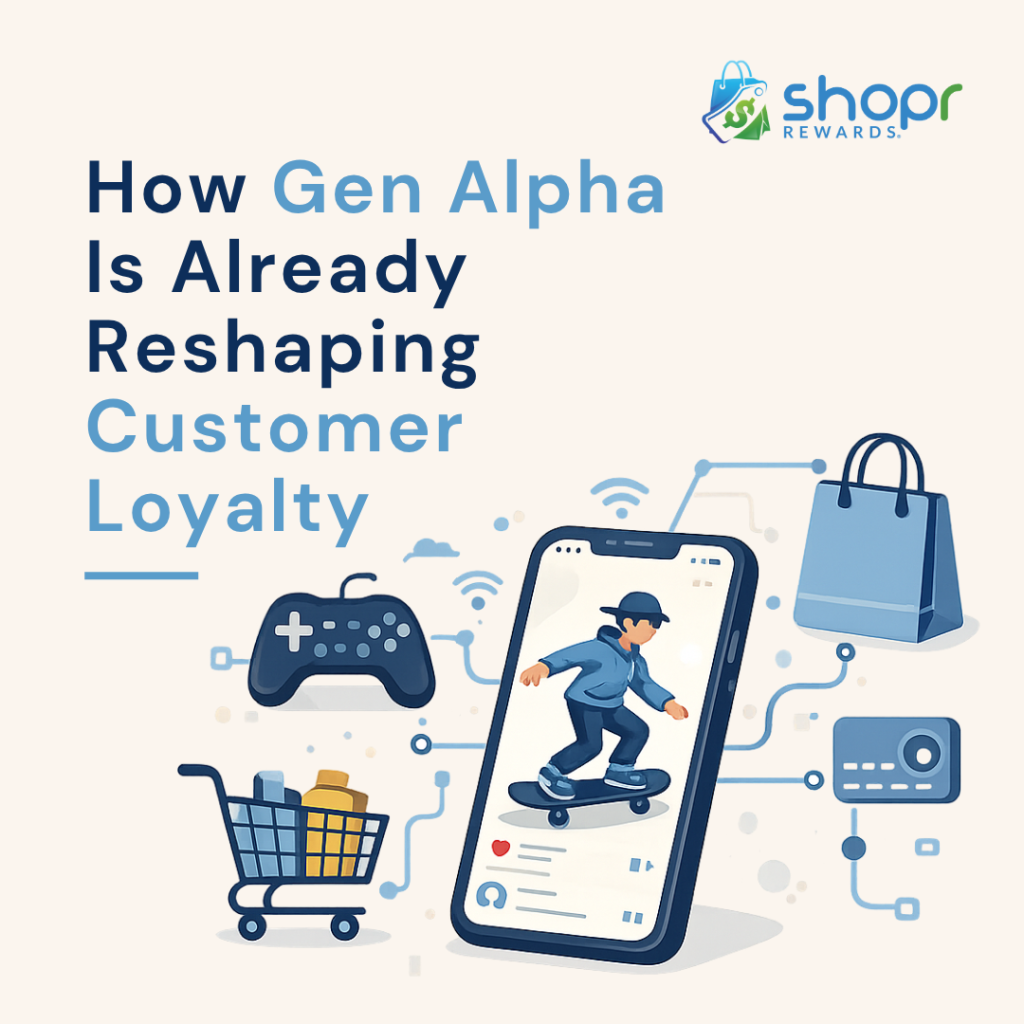
For Gen Alpha, discovery, entertainment, community, and commerce often exist within the same experience.
A product may first appear in a short video, an online game, a creator’s recommendation, or a conversation with friends. Interest can develop without a traditional advertisement, store visit, or search.
PwC found that 61% of Gen Alpha says social media makes them want to buy something, while 54% regularly use gaming platforms.
Brands are no longer competing only at the point of sale. They are competing for relevance across digital environments where younger audiences spend time, interact, and form opinions.
That does not mean every organization needs to chase the latest platform. It does mean awareness and affinity are increasingly built through connected, participatory experiences rather than one-way promotion.
Attention Is Easy to Gain and Hard to Keep
Reaching Gen Alpha is only part of the challenge.
This generation has grown up with constant access to apps, games, content, and digital communities. Moving from one experience to another requires very little effort, making patience for friction especially low.
According to PwC, 52% abandon apps because they become bored. Another 47% leave because of excessive advertising, while 36% are deterred by slow performance.
These findings suggest that enrollment alone will not create lasting engagement.
A program can attract initial attention and still lose users quickly if it feels repetitive, cluttered, or difficult to use. Speed, ease, and relevance are becoming basic expectations rather than added benefits.
For loyalty strategies, the lesson is clear: participation must continue to feel worthwhile after the first interaction.
Traditional Points May Not Be Enough
Points-based programs remain effective in many industries, especially when the reward is valuable or aspirational.
However, Gen Alpha is being raised in an environment built around immediate feedback.
Games show progress in real time. Apps send instant updates. Digital platforms unlock achievements, content, and recognition without long delays.
As this generation matures, waiting months to accumulate enough points for a meaningful benefit may feel less compelling.
Tomorrow’s programs will likely need to provide clearer progress, faster value, and more choice. Members may expect to earn through everyday activity, see rewards immediately, collect value with one company, redeem it through another, and choose between digital benefits and real-world experiences.
Loyalty Will Need to Fit Everyday Life
The next phase of customer engagement may extend beyond purchases made directly with one business.
Younger consumers are growing accustomed to connected ecosystems in which entertainment, payments, shopping, and social interaction overlap. As a result, they may expect brand benefits to work across more of their daily routines.
That creates an opportunity for organizations to deliver value between core transactions.
A hotel, membership organization, insurer, financial institution, or service provider may interact with a customer only occasionally. Everyday benefits can help maintain the relationship during the periods in between.
Platforms such as Shopr Rewards reflect this broader shift by enabling organizations to offer merchant-funded instant cash back across hundreds of popular brands. Customers can receive practical savings on purchases they were already planning to make, while the sponsoring organization creates additional reasons to remain relevant.
The Future Is Already Taking Shape
Gen Alpha will not become an influential consumer group at some distant point.
Its impact is already visible in household decisions, digital behavior, product discovery, and expectations for speed and convenience.
The brands preparing now will be better positioned to build relationships that extend into adulthood.
That will require more than larger rewards or louder advertising. It will require experiences that are intuitive, personalized, responsive, and connected to everyday life.
The companies that understand these expectations early may do more than win future transactions.
They may build customer relationships that last for decades.
Sources: PwC Generation Alpha Survey 2026; Axios/DKC Gen Alpha household-spending research.
See how Shopr helps brands create engagement beyond the transaction.