 For most gyms, cancellations are treated as the primary retention problem.
When a member ends their subscription, it is visible, measurable, and immediate. It signals lost revenue and often triggers reactive strategies to win that member back.
But cancellations are not where the problem begins.
Members don’t leave because of a single decision. They leave when the value of their membership stops being felt.
That shift rarely happens all at once. It develops gradually, in the periods between visits, when routines break, motivation declines, and the gym becomes less relevant in a member’s day-to-day life.
By the time a cancellation happens, engagement has already been lost.
The Engagement Gap
Every gym tracks retention through clear metrics: active memberships, visit frequency, cancellations.
What’s harder to measure—and far more important—is engagement: the consistency of a member’s relationship with the gym over time.
At first, disengagement is subtle. A missed workout. A skipped week. A break in routine that feels temporary.
But over time, these small gaps compound.
The member is still paying. The membership is still active. But the connection is weakening.
This is the engagement gap—the space where retention is actually decided, long before cancellation shows up in the data.
Why Attendance-Based Loyalty Falls Short
Many gyms try to solve retention through loyalty programs tied to attendance.
Check-in rewards, milestone perks, and occasional promotions are common strategies. While they can drive short-term participation, they rarely create lasting engagement.
The limitation is built into how they work.
These programs only deliver value when a member shows up. But disengagement begins when they don’t.
When a loyalty strategy depends on in-gym activity, it becomes invisible at the exact moment it is needed most.
And when value disappears, so does motivation to return.
Reframing Gym Loyalty
To close the engagement gap, gyms need to rethink what loyalty actually means.
It cannot be limited to workouts alone. It needs to extend into the everyday lives of members, especially during the moments when they are not actively in the gym.
This means shifting from episodic engagement to continuous value.
Not waiting for members to return, but staying present in the decisions they’re already making.
Because the more often a member experiences value, the more likely they are to stay connected—and eventually re-engage.
The Hidden Cost of Disengagement
Every disengaged member represents more than a potential cancellation.
It reflects lost lifetime value, underutilized acquisition spend, and a missed opportunity to influence behavior earlier.
When gyms focus only on preventing cancellations, they’re reacting too late.
The real issue is simpler.
The member stopped feeling the value of staying.
Where Shopr Fits
This is where traditional gym loyalty programs reach their limit.
They rely on visits to deliver value, which limits how often members actually experience it.
And when value is only felt occasionally, it struggles to influence behavior in any meaningful way.
Shopr changes that dynamic.
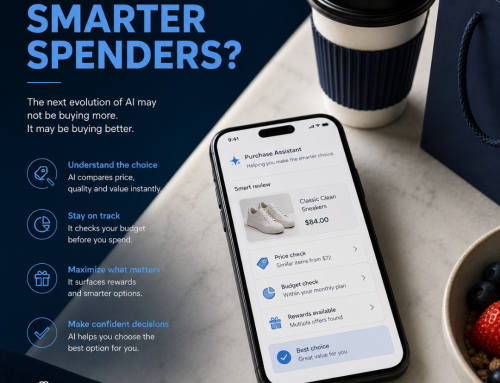
By extending gym loyalty into everyday spending—across dining, retail, and wellness—Shopr increases how often members experience value, without requiring them to change their behavior.
Instead of waiting for the next workout, members earn instant cash back on purchases they were already planning to make.
That consistency keeps the relationship active, even during periods when attendance declines.
It keeps the gym relevant, even outside its physical space.
And most importantly, it helps re-engage members before disengagement turns into cancellation.
The Future of Gym Retention
Retention isn’t determined at the point of cancellation.
It’s shaped in the moments leading up to it.
The gyms that succeed will be the ones that stay present, relevant, and valuable—even when members aren’t actively working out.
Because loyalty isn’t built during visits alone.
It’s built in the everyday moments in between.