 Subscription businesses enjoy one of the most attractive models in business: recurring revenue, predictable forecasting, and the opportunity to build long-term customer relationships.
But recurring revenue creates a unique retention challenge.
In many subscription models, customers only think about the brand when they actively use the service—or when the monthly charge appears on their credit card statement.
Across streaming platforms, telecom services, SaaS products, fitness memberships, subscription boxes, and digital memberships, customers have more choices than ever. Switching friction is low, alternatives are readily available, and consumers are evaluating recurring expenses more carefully as subscription spending continues to grow across everyday life.
That environment has changed what retention requires.
The Challenge Between Billing Cycles
Most subscription brands naturally focus on the product or service itself. The assumption is straightforward: if customers continue finding value in the offering, they’ll continue renewing.
And product value absolutely matters.
But long-term loyalty is often shaped by something broader—how connected customers feel to the brand between moments of active usage.
Many subscription relationships become passive over time. Customers use the service occasionally, see the recurring charge each month, and interact with the brand only when they need support, receive a promotional email, or reconsider their subscription.
The challenge isn’t dissatisfaction.
It’s distance.
And distance creates vulnerability.
The less frequently customers interact with a brand, the easier it becomes to question whether the subscription is still worth paying for. In competitive categories, that creates an opening for alternatives to enter the conversation.
The strongest subscription brands aren’t just delivering a service. They’re finding ways to remain relevant between billing cycles.
Why Continuous Engagement Matters
Retention isn’t built solely at renewal.
It’s built through ongoing familiarity, consistency, and perceived value over time.
The brands creating stronger long-term subscription relationships are extending engagement beyond the primary product experience. They’re building ecosystems of value that keep customers connected even when they aren’t actively using the service itself.
Every positive interaction reinforces the customer’s perception that they’re receiving value from the relationship—not just from the product.
The more frequently that reinforcement occurs, the harder the subscription becomes to replace.
Importantly, this doesn’t always require aggressive promotions or constant discounting. In many cases, the most effective loyalty strategies are the ones that integrate naturally into customers’ everyday routines.
That’s where everyday rewards and engagement models are becoming increasingly valuable for subscription businesses.
Moving Beyond Transactional Relationships
The subscription brands creating the strongest customer loyalty today are moving beyond purely transactional relationships.
The strongest brands aren’t competing only on product features anymore. They’re competing on relationship strength.
Instead of existing only as a recurring monthly charge, they’re creating broader experiences that deliver value outside the traditional billing cycle.
That shift changes how customers perceive the relationship.
When customers regularly experience value connected to a brand, the subscription becomes more than a service they pay for. It becomes part of a broader ecosystem of benefits and experiences.
Over time, those repeated touchpoints create stronger engagement, deeper customer connection, and greater resistance to competitive alternatives.
Where Shopr Fits
Shopr Rewards helps subscription brands solve the engagement gap between billing cycles.
Rather than relying solely on product usage to maintain relevance, Shopr enables brands to deliver value through the everyday purchases subscribers are already making.
Subscribers earn instant cash back across categories such as dining, retail, groceries, travel, entertainment, and more, creating frequent touchpoints that keep the brand present long after the monthly payment has processed.
The cash back can remain open within the Shopr ecosystem or be directed back to the subscription brand for renewals, upgrades, premium services, add-ons, or future purchases.
This transforms loyalty from an occasional interaction into an ongoing experience.
Because rewards are funded through merchant partnerships, brands can deliver meaningful ongoing value without relying heavily on margin-reducing discounts or costly retention campaigns.
The result isn’t simply another loyalty benefit. It’s a mechanism for maintaining relevance between renewals and strengthening the relationship throughout the customer lifecycle.
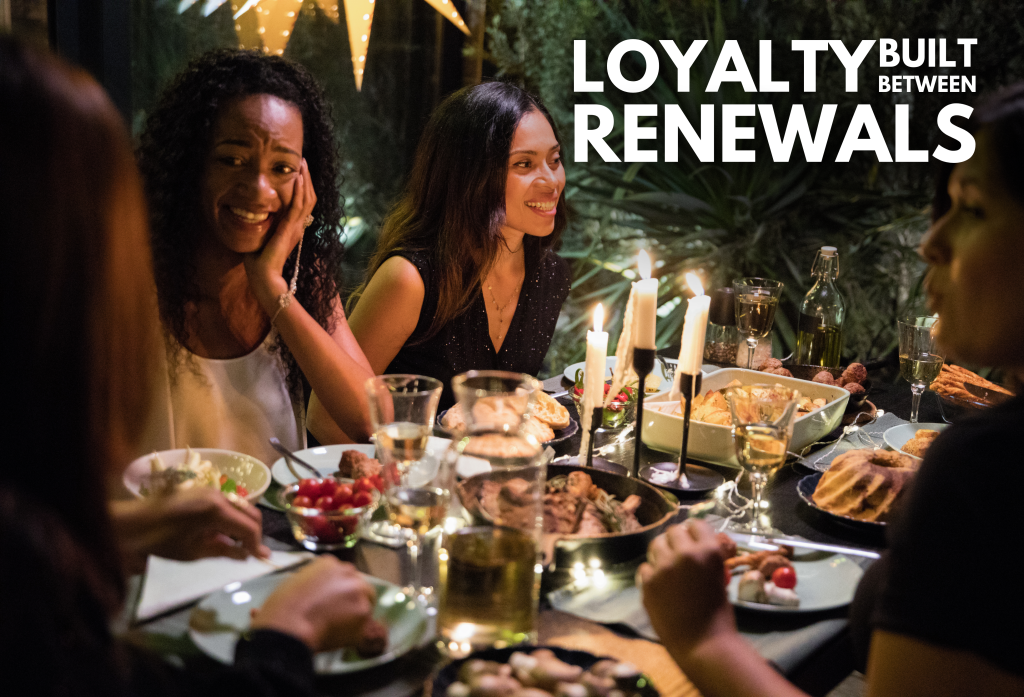
The Opportunity Between Renewals
The strongest subscription loyalty isn’t built when the payment processes.
It’s built in the weeks between billing cycles, when customers are deciding which brands remain relevant in their lives.
Subscription brands that stay present during those moments create stronger relationships, higher retention, and greater long-term customer value.
Shopr helps make those moments count.