Shopping used to be fairly straightforward. Find what you need, compare prices, make a purchase, and move on.
Today, the experience can look quite different.
Consumers track rewards, unlock exclusive offers, monitor savings, and celebrate small wins along the way. Even routine purchases can come with an added sense of anticipation.
What was once a simple transaction has become a more interactive experience.
For businesses, this shift raises an interesting question: Why are consumers increasingly drawn to shopping experiences that feel rewarding beyond the purchase itself?
The answer involves consumer psychology, changing expectations, and the growing influence of gamification in retail.
What Is Gamification in Retail?
Gamification in retail refers to the use of game-like elements, such as rewards, milestones, challenges, and progress tracking, to make shopping experiences more engaging.
These features don’t necessarily turn shopping into an actual game. Instead, they introduce elements of achievement, anticipation, or recognition into otherwise ordinary activities.
Consider the difference between making a purchase and making a purchase that also earns an immediate reward.
The product may be identical, but the experience feels different.
For retailers and loyalty providers, this distinction matters because consumers increasingly evaluate not just what they buy, but the value they receive throughout the purchasing experience.
Why Do Small Rewards Feel So Satisfying?
Small rewards can create a sense of immediate accomplishment, particularly when the benefit is easy to recognize and requires little additional effort.
A customer might spend $40 on an everyday purchase and receive a few dollars back. While the financial benefit is modest, seeing that value immediately can make the transaction feel more rewarding.
This connects to a broader psychological principle: People respond differently to rewards depending on how soon they receive them.
Research on present bias and temporal discounting suggests that people often place greater value on immediate benefits than on comparable rewards available later.
That helps explain why visible, accessible rewards can feel particularly appealing in an environment where consumers have become accustomed to instant digital experiences.
How Do Rewards and Progress Tracking Influence Shopping Behavior?
Rewards and progress tracking can give consumers additional reasons to pay attention to their shopping activity.
A progress bar, savings total, or accumulated benefit makes an otherwise invisible outcome easier to understand.
For example, spending $100 across several routine purchases might feel unremarkable. Seeing the total value earned from those purchases introduces a different perspective.
The experience becomes less about individual transactions and more about recognizing value over time.
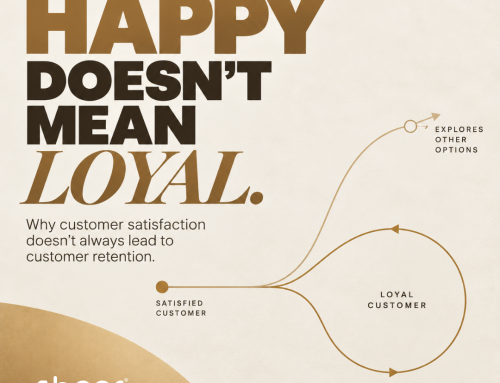
However, engagement doesn’t automatically mean loyalty.
A consumer may enjoy tracking rewards without developing a lasting preference for the business providing them. The distinction is important when evaluating whether interactive shopping experiences create meaningful relationships or simply temporary interest.
Are Consumers More Interested in Saving Money or Feeling Rewarded?
Consumers can be motivated by both financial value and the experience of receiving it, but their priorities vary depending on the purchase and their circumstances.
For essential purchases, practical savings may take priority. For discretionary spending, convenience, enjoyment, and the feeling of receiving something extra may become more influential.
This helps explain why the presentation of a benefit can matter alongside its actual monetary value.
A straightforward cash back reward offers a measurable financial outcome. A milestone or achievement introduces an additional psychological dimension.
Neither approach appeals equally to everyone.
The broader opportunity for businesses lies in recognizing that consumer value isn’t experienced in exactly the same way across every purchase or customer segment.
Can Shopping Become Too Much Like a Game?
Yes. Gamification can become counterproductive when it introduces unnecessary complexity, encourages excessive spending, or makes rewards difficult to understand.
Consumers may enjoy a sense of achievement, but they still want shopping to be convenient.
An experience that requires constant tracking, complicated rules, or additional purchases to unlock meaningful benefits can eventually feel more demanding than rewarding.
There is also an important difference between encouraging engagement and creating pressure to spend.
For businesses, long-term customer trust depends on keeping the underlying value clear.
The most compelling experiences don’t necessarily involve more challenges, notifications, or milestones. Sometimes, simplicity is what makes a benefit attractive.
What Does Gamification Mean for the Future of Consumer Engagement?
Gamification reflects a broader change in how businesses and consumers interact: Shopping is increasingly about the experience surrounding a transaction, not just the transaction itself.
As digital commerce continues to evolve, consumers encounter more ways to recognize savings, receive benefits, and interact with brands during everyday purchases.
But the future of consumer engagement may not depend on making shopping more entertaining.
It may depend on making ordinary transactions feel more worthwhile.
For businesses, that creates an important distinction between capturing attention and delivering lasting value.
Consumers don’t necessarily need shopping to become a game. They need the benefits of participating to feel worth their time.