 For many businesses, loyalty programs have long been viewed as a necessary expense. Discounts, points, and rewards are often treated as the cost of keeping customers engaged.
But that perspective misses the bigger opportunity.
When designed strategically, loyalty programs are not simply marketing perks. They are revenue engines that drive repeat engagement, strengthen relationships, and create measurable long-term growth.
The brands seeing the strongest results today are not asking whether loyalty costs money.
They are asking how loyalty can generate more value over time.
The Problem With Traditional Loyalty Thinking
Many loyalty programs were built around a simple idea: reward customers after they spend enough.
Points accumulate slowly. Rewards take time to unlock. Engagement happens only at the moment of purchase.
This creates two challenges.
First, the experience feels transactional. Customers engage only when they are close to earning something.
Second, long purchase cycles create large gaps between interactions. In industries like travel, automotive, and hospitality, those gaps can last months—or longer.
When engagement disappears between transactions, loyalty loses its influence.
The Shift Toward Continuous Engagement
Modern loyalty strategies are built differently.
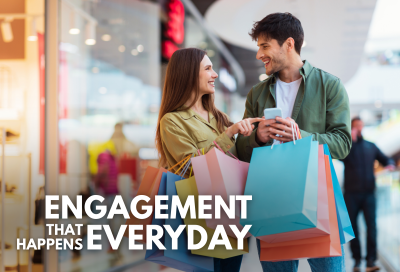
Instead of rewarding only large transactions, leading brands focus on staying connected between them. They create everyday touchpoints that keep their brand present in customers’ daily lives.
This shift turns loyalty from an occasional incentive into a consistent engagement channel.
When customers can earn value through everyday spending, engagement becomes more frequent—and more natural. The brand remains visible even when customers are not actively purchasing its core product.
Turning Everyday Behavior Into Loyalty
Customers make hundreds of purchasing decisions each month. Groceries, dining, subscriptions, entertainment, travel planning—most of it happens outside the brand relationship.
That’s where the opportunity is.
When brands connect rewards to everyday spending, they create ongoing value without asking customers to change their behavior. Instead of waiting for the next major purchase, customers continue interacting in small, meaningful ways.
Over time, those interactions compound.
They strengthen relationships. They reinforce preference. They keep the brand top of mind.
Loyalty That Drives Revenue
When loyalty extends beyond occasional rewards, it begins to drive measurable business impact.
Frequent engagement increases brand recall and influences future purchasing decisions. Customers are more likely to return, spend more often, and choose your brand over alternatives.
At the same time, loyalty can guide where customers spend. When value is tied to a brand ecosystem, behavior follows.
What starts as a reward becomes a long-term engagement strategy that fuels growth.
Where Shopr Fits In
As brands rethink loyalty, many are turning to platforms that make everyday engagement easier to deliver.
Shopr Rewards helps businesses extend their loyalty strategy beyond occasional transactions by connecting customers to instant cash back on purchases they already make every day.
Instead of relying on large, infrequent purchases, brands stay present through routine spending on dining, retail, travel, and more.
The experience is simple. The value is immediate. And the engagement is continuous.
For businesses, that means stronger relationships, more consistent interaction, and a clearer path to long-term revenue growth.
A Strategic Shift for Modern Brands
The most effective companies no longer view loyalty as a marketing expense.
They treat it as a strategic growth lever.
By connecting rewards to everyday behavior, they stay relevant between transactions, strengthen customer relationships, and create more opportunities for revenue.
Loyalty is no longer just about rewarding customers after they spend.
It is about staying connected before they do.
The Bottom Line
Loyalty should not be measured by the cost of rewards.
It should be measured by the value it creates—through engagement, retention, and long-term revenue growth.
When brands shift their perspective from cost to opportunity, loyalty becomes more than a program.
It becomes a competitive advantage.
Turn everyday engagement into measurable revenue growth: