 Most brands treat engagement like a marketing tactic. It gets planned, scheduled, and executed in campaigns. A promotion launches. Activity spikes. Results get reported.
Then the campaign ends — and so does the engagement.
This pattern is so common it’s become accepted. But it points to a fundamental misunderstanding of what engagement actually is.
The Limits of Campaign-Driven Thinking
Campaigns are built to drive short-term action. They create urgency, generate measurable activity within a defined window, and can produce strong results in the near term.
What they can’t do is maintain a relationship.
The moment the incentive disappears, behavior reverts. Customers return to their routines. The brand loses visibility. And the next campaign has to work harder just to recover the same attention.
Over time, this isn’t a strategy — it’s a treadmill. Brands run faster to stay in the same place, often at increasing cost.
If engagement only exists when you’re paying for it, you haven’t built engagement. You’ve rented attention.
The Gap Between Campaigns Is Where Loyalty Is Decided
Customers make purchasing decisions every day. Most of those decisions happen between your campaigns — in moments where you have no presence and no influence.
That gap is where competitors move in. It’s where habits shift. It’s where the relationship either holds or quietly fades.
Brands that win long-term are the ones that understand this. Engagement between campaigns isn’t a nice-to-have — it’s where retention is actually built.
Engagement That Works Like a Habit
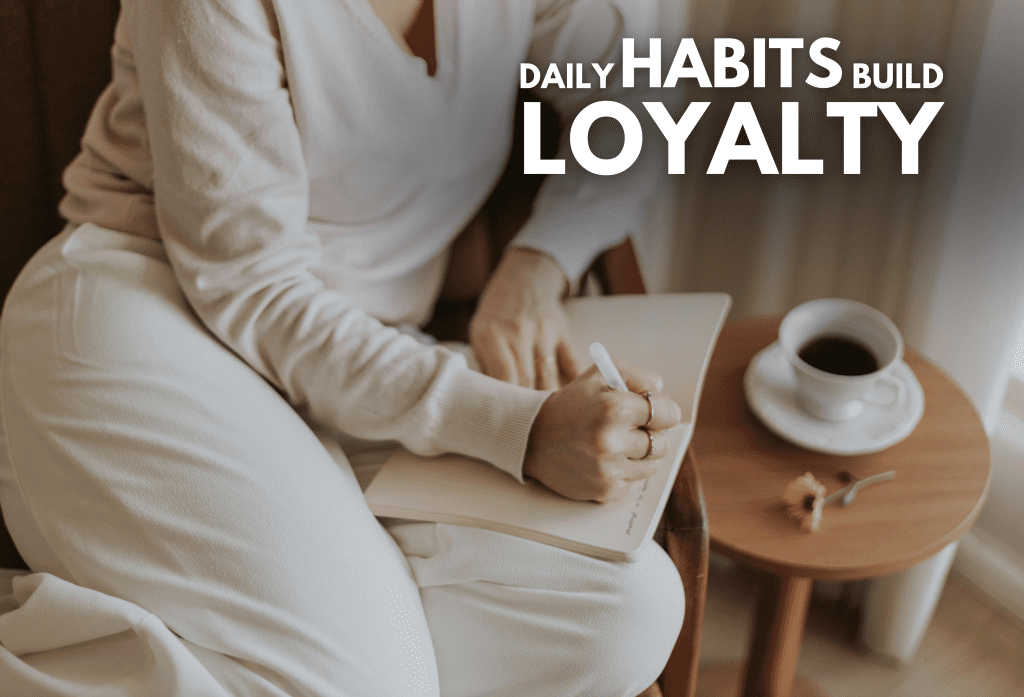
Habits are formed through repetition. They’re built into routines, not triggered by occasional events. When customer engagement follows that same pattern — consistent, low-effort, integrated into daily behavior — it becomes durable.
That’s a fundamentally different outcome than a campaign spike.
Habit-based engagement keeps the brand visible when customers aren’t actively shopping. It reinforces the relationship without requiring a transaction. And it creates a foundation that makes future decisions — renewals, repeat purchases, referrals — more predictable.
Everyday Spending as an Engagement Engine
Customers are already engaging in habitual behavior through their daily spending. These actions are consistent, frequent, and embedded in routine — dining, retail, entertainment, essentials.
When a brand connects with those behaviors, engagement becomes continuous. Each interaction keeps the brand present without asking anything additional from the customer.
Over time, consistency builds familiarity. Familiarity builds trust. Trust drives retention.
The Business Case for Continuity
Customers who interact with a brand regularly — outside of campaign windows — show measurably different behavior. Higher return rates. More frequent purchases. Longer relationships.
The economics follow. Sustained engagement reduces reliance on aggressive incentives to drive action. Revenue becomes more predictable. Lifetime value increases without a proportional increase in acquisition spend.
Campaign-dependent engagement produces peaks and valleys. Continuous engagement builds a baseline that compounds.
Where Shopr Fits
Shopr Rewards is built for the space between campaigns. By delivering instant cash back on everyday purchases — across dining, retail, wellness, and more — Shopr gives customers a consistent reason to stay connected to a brand, even when they’re not actively engaging with it.
There’s no promotion required. No urgency window. No campaign calendar driving the interaction.
The engagement happens naturally, through behavior customers are already exhibiting. The brand stays present. The relationship stays active. And when the next campaign does launch, it lands to an audience that’s already warm.
From campaigns to continuity. That’s the shift that separates brands with strong retention from those constantly restarting it.