 For decades, loyalty programs have been built around one defining moment: the transaction.
A customer makes a purchase, earns points, unlocks a reward, or moves closer to the next loyalty tier. It’s a model that has helped brands strengthen retention across industries, from retail and hospitality to financial services and subscription businesses.
There’s nothing inherently wrong with that approach.
In fact, many of the world’s most successful loyalty programs are built around transactions.
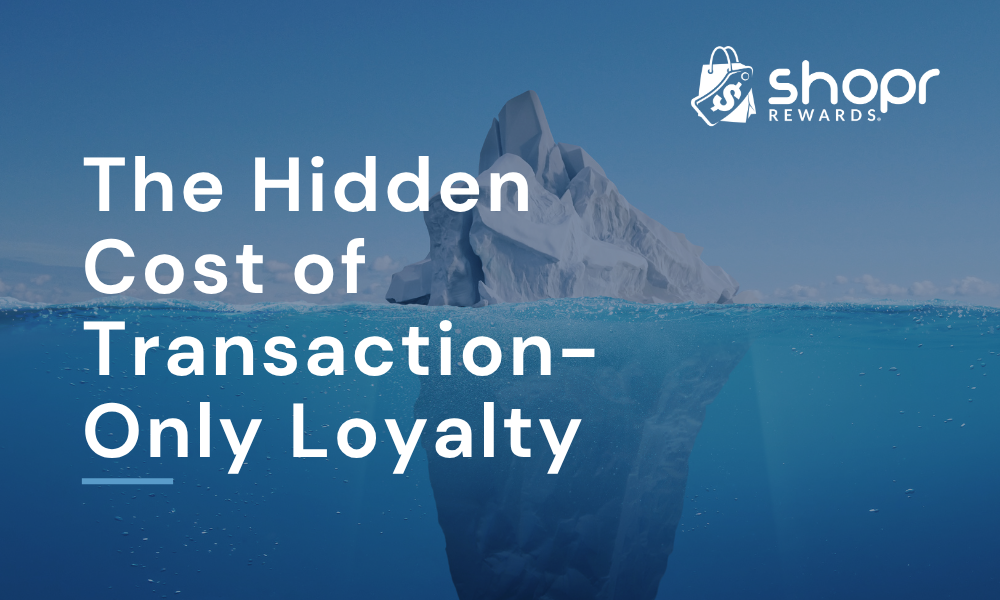
The hidden cost is that, over time, customers begin to associate the relationship with the brand almost exclusively with buying.
Between purchases, the relationship often goes quiet.
The Loyalty Model Most Brands Built
Traditional loyalty programs are designed to reward purchasing behavior.
Customers earn points when they spend, receive benefits when they reach predefined milestones, and redeem rewards after accumulating enough value.
These programs can be incredibly effective at encouraging repeat purchases and rewarding loyal customers.
The challenge is that the relationship often becomes tied to how frequently a customer transacts.
For many brands, purchases occur only occasionally. A retailer may see customers every few weeks. A subscription brand may only have one billing event each month. A vacation rental company may go months between bookings. An automotive brand may not interact with a customer between service appointments.
The less frequently customers transact, the fewer opportunities a brand has to reinforce the relationship.
When Loyalty Only Exists at Checkout
Today’s consumers don’t think about brands only when they’re making purchases.
They shop, dine, travel, stream content, fill their gas tank, and manage countless financial decisions every day.
Meanwhile, many loyalty programs remain dormant until the next transaction with a specific brand.
That creates an unintended gap.
Customers may still appreciate the brand, remain enrolled in its loyalty program, and intend to purchase again. But if months pass without experiencing any meaningful value, the relationship gradually becomes less active.
The issue isn’t that the loyalty program has stopped working.
It’s that the customer has stopped experiencing it.
Why Customer Expectations Have Changed
Consumer expectations have evolved well beyond the transaction itself.
People have grown accustomed to immediate access, personalized experiences, and value that fits naturally into their everyday lives.
Those expectations now extend to loyalty.
Customers still value points, exclusive experiences, and long-term rewards. But they also expect brands to remain relevant between major purchases by delivering value that is timely, accessible, and easy to understand.
The brands creating the strongest customer relationships aren’t necessarily offering more rewards.
They’re creating more opportunities for customers to experience them.
From Transactional to Relationship-Driven Loyalty
The strongest loyalty programs today recognize that loyalty isn’t built solely at the point of purchase.
It’s reinforced every time a customer experiences value connected to the brand.
That doesn’t require changing customer behavior.
It requires expanding where the relationship exists.
Instead of limiting loyalty to purchases with a single brand, organizations are increasingly looking for ways to remain relevant throughout the customer journey by creating additional touchpoints that fit naturally into customers’ everyday routines.
The goal isn’t to replace transaction-based loyalty.
It’s to strengthen everything that happens between transactions.
Where Shopr Fits
Shopr Rewards was built around this idea.
Rather than replacing existing loyalty programs, Shopr extends them.
While points, tier benefits, exclusive experiences, and milestone rewards continue to create long-term value, Shopr adds another layer of engagement through instant cash back on everyday spending.
Customers earn rewards on purchases they’re already making across categories such as dining, groceries, retail, travel, entertainment, fuel, and more.
That gives brands more opportunities to remain present in customers’ lives without asking them to change their behavior.
Instead of waiting for the next purchase to reinforce the relationship, customers continue experiencing value between those moments.
The result is a loyalty experience that becomes more consistent, more relevant, and more connected to everyday life.
The Future of Loyalty
Transactions will always remain an essential part of loyalty.
But they shouldn’t be the only time customers experience it.
The brands that build the strongest long-term relationships will be the ones that create value beyond the purchase, reinforcing loyalty not only when customers buy, but throughout the moments in between.
Because the hidden cost of transaction-only loyalty isn’t fewer purchases.
It’s fewer opportunities to remind customers why they should come back.
See how Shopr helps brands create engagement beyond the transaction.