If you strip away the industry buzzwords, fintech is simply the use of technology to make money work better.
Whether it’s paying with your phone, splitting a dinner bill instantly, investing through an app, receiving immediate cash back, or booking travel using digital rewards, fintech removes friction from financial experiences and makes them faster, smarter, and more valuable.
What started as a way to modernize banking has evolved into one of the most influential forces shaping how consumers interact with brands. Today, fintech powers everything from payments and lending to investing, insurance, budgeting, embedded finance, and increasingly, customer engagement.
For businesses, that evolution represents something far more significant than digital payments.
It represents a new way to build stronger, longer-lasting customer relationships.
Fintech Has Quietly Become Part of Everyday Life
Most consumers use fintech every day without giving it much thought.
Every tap of a mobile wallet, instant bank transfer, buy-now-pay-later purchase, digital investment, or cash back reward is powered by financial technology working behind the scenes.
Its adoption has accelerated rapidly. According to the EY Global FinTech Adoption Index, 64% of digitally active consumers across 27 markets use two or more fintech services, demonstrating that fintech has moved well beyond early adopters to become an everyday expectation.
As consumers grow accustomed to seamless financial experiences, they increasingly expect the same level of convenience and value from the brands they engage with.
The Opportunity Is Bigger Than Payments
For many years, businesses viewed fintech primarily as a way to process payments more efficiently.
Today, its role is far broader.
The most innovative organizations are using financial technology to create continuous engagement rather than limiting customer interaction to the point of purchase.
Instead of asking customers to wait months to accumulate enough points for a meaningful reward, fintech enables brands to deliver immediate value through personalized savings, instant rewards, financial wellness tools, and everyday benefits that remain relevant long after the initial transaction.
That shift fundamentally changes the economics of customer loyalty.
Loyalty Is Evolving Beyond Points
Traditional loyalty programs have always depended on customers returning to make another purchase.
Modern fintech expands that relationship.
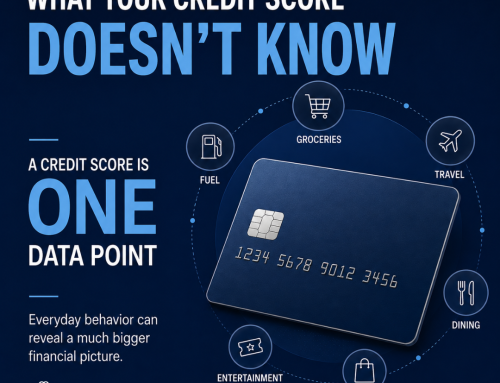
Rather than rewarding only transactions made directly with a business, fintech platforms can create value during customers’ everyday spending across multiple merchants and categories. Grocery shopping, fuel purchases, restaurants, travel, entertainment, home improvement, and retail can all become opportunities for customers to receive meaningful financial benefits while remaining connected to the brands they trust.
The result is a loyalty strategy that feels less like a promotional campaign and more like an ongoing financial benefit.
Customers receive value more frequently, while businesses benefit from higher engagement, stronger retention, and increased lifetime customer value.
Where The Industry Is Heading
As fintech continues to mature, the distinction between financial services and customer engagement is rapidly disappearing.
Organizations across travel, hospitality, insurance, financial services, retail, membership organizations, and employers are increasingly looking beyond traditional points programs and exploring ways to embed financial value directly into the customer experience.
This is where platforms such as Shopr Rewards represent the next generation of loyalty technology.
Rather than asking businesses to replace existing loyalty programs, Shopr enables organizations to enhance them by integrating instant cash back across hundreds of leading merchants, allowing customers to unlock savings on purchases they were already planning to make.
The platform reflects a broader trend emerging across the fintech industry: loyalty is becoming less about collecting points and more about delivering tangible financial value that customers can use immediately.
That approach creates a genuine win-win. Customers save money on everyday spending, while organizations strengthen engagement, increase retention, and create new opportunities to remain relevant between their core transactions.
The Future of Customer Engagement
The brands that will lead over the next decade won’t necessarily be those with the biggest loyalty programs.
They will be the ones that become part of their customers’ everyday financial lives.
Fintech makes that possible.
By removing friction, delivering immediate value, and creating more meaningful reasons for customers to engage, financial technology is transforming loyalty from an occasional marketing initiative into an always-on customer experience.
As consumer expectations continue to evolve, fintech is no longer simply changing how people pay.
It’s changing how businesses build lasting relationships.
See how Shopr helps brands create engagement beyond the transaction.